

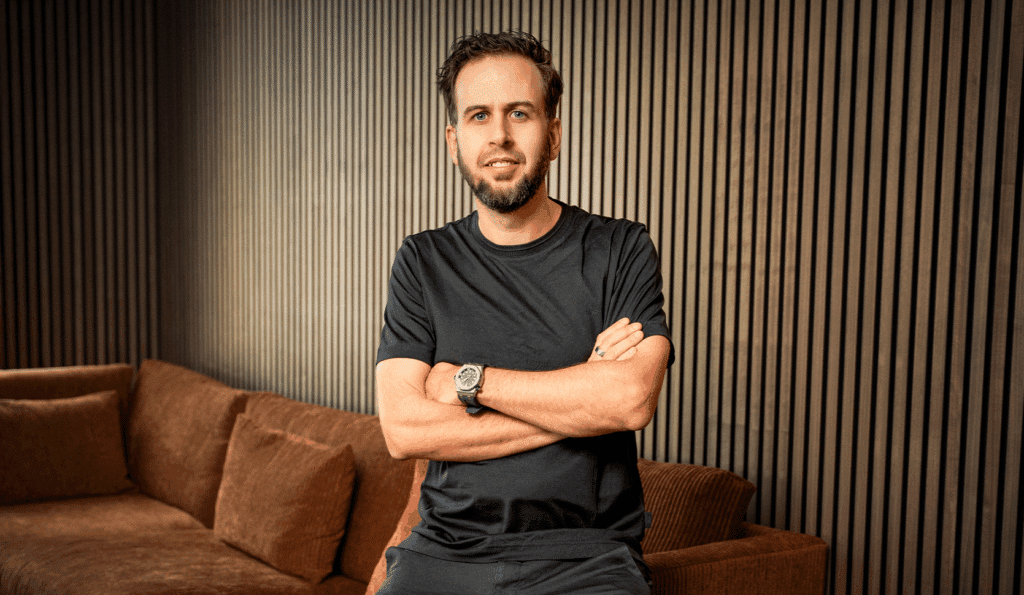
When Fedja Porobic stepped in as a part-owner in late 2022, the company's valuation was 700,000 Swedish kronor. In the following years, the development has progressed at a rapid pace.
The company's turnover was approximately 6 million Swedish kronor the year Fedja Porobic joined. Last year, 2025, turnover had increased to 116 million Swedish kronor with a profit before tax of 39 million Swedish kronor. This growth has now resulted in the founding couple Sara and Magnus Idenfors, together with Fedja Porobic, selling a majority stake.
But despite industry rumors of sums up to half a billion Swedish kronor, Fedja Porobic chooses not to share the details of the purchase price:
We are not commenting on the exact purchase price yet due to confidentiality agreements, but what I can say is that the valuation reflects what we have built in recent years, a profitable, fast-growing company with a strong repurchase rate and clear demand in the market, says Fedja Porobic to Ehandel.se and continues:
For us, it has never been about maximizing a figure on paper, but about finding the right partner for the next phase. In this type of deal, who you build with is just as important as the valuation itself.
A Streamlined Focus on E-commerce
But to reach the point where the company became an attractive investment, a complete overhaul of the business was required. The foundation for success was laid when they decided to completely change the game plan and prioritize.
More specifically, the company quickly had to clear its assortment and remove thousands of items, and stop shipping heavy containers of water in favor of selling concentrate. For Fedja Porobic, the work was about taking a proven product and adapting it for the digital market.
It almost sounds absurd when you say it out loud, but at its core, it's not about a quick win. When we came in, it was a small company with a very good product and a genuine history, he says.
What we did was take that and apply structure, marketing, overall strategy, distribution, repackage and rebrand with a very clear focus on e-commerce.
When e-commerce went from being a side business to becoming the entire company's engine, the daily work also changed. The strategy was built on steering everything based on data and customers' actual behavior online.
We have worked extremely hard to understand the customer in depth, build content that actually helps and educates, and at the same time measure everything we do down to the product level where we have complete control over the figures down to the last line. It's many small things done right over a long period of time, rather than a single miracle solution, says Fedja Porobic.
What would you say is the most important change that has been made in e-commerce to succeed with this growth?
If I have to choose one thing, it's that we stopped seeing e-commerce as a "channel" and started seeing it as the whole business. Everything from product development to content, performance-based marketing and customer loyalty are connected, says Fedja.
He highlights three concrete points that have been central to the growth:
We have gone heavily on storytelling and educational content. We have worked data-driven with profitable growth, not just turnover, and we have built customer loyalty and community as a core part, not something that comes later. That's where the real leverage lies.
Chose a Belgian Player
When it was time to raise capital to meet the rapidly growing demand, the board turned to advisors to sound out the market. Currently, almost all sales go to Swedish customers, and the company is working hard to keep up with the pressure at home, but the plan ahead is clear.
The next step is to take a place on the shelves of the major physical retail chains, and eventually expand beyond Sweden's borders. Navigating the journey from pure e-commerce to international retail, however, requires the right network and experience, and it was with that in mind that the choice finally fell on Vendis Capital.
We met many players when, according to our advisors Merge Group, there was enormous interest in the soap, but Vendis stood out in how they think about brand building and profitable growth, says Fedja Porobic.
He points out that the buyer's presence on the continent played a significant role in the decision.
They bring both breadth and depth within the retail sector with all of Europe as a base. They have experience from similar companies and understand the complexity of scaling sales directly to consumers while entering physical retail.
However, simply getting capital into the account was not enough. The expectations of the new majority owner extend far beyond the financial resources: they were actively looking for a partner who could also contribute practical knowledge and function as concrete support in the company's continued development.
They are very operational, it's not like they say "here's the capital and good luck", but are a partner who can contribute in everyday life on several different levels and I think we need to strengthen the core team to take the success to the next level.
Staying in Vilhelmina
Bringing in a European venture capital firm into a genuine Swedish rural company can be seen as a contrast. The production of soap from recycled frying oil is at the core of the business, and Vendis Capital has a fund specifically focused on circular consumer companies, which facilitated the deal. But Fedja Porobic is clear that the company's roots must be preserved:
This is one of the most important issues for us. The whole strength of Västerbottenssåpa lies in the authenticity, that it is real, from Vilhelmina with a genuinely good product and history and a clear philosophy about product and sustainability.
He adds that the new owner shares this vision:
That's something we don't compromise on and where we and Vendis found each other in the fact that their new fund is specific to sustainable companies that make a real difference. So that's something Vendis doesn't want to change, on the contrary, it's the core reason why they chose to invest and step in as a majority owner. They want to scale what already exists, not change it fundamentally.
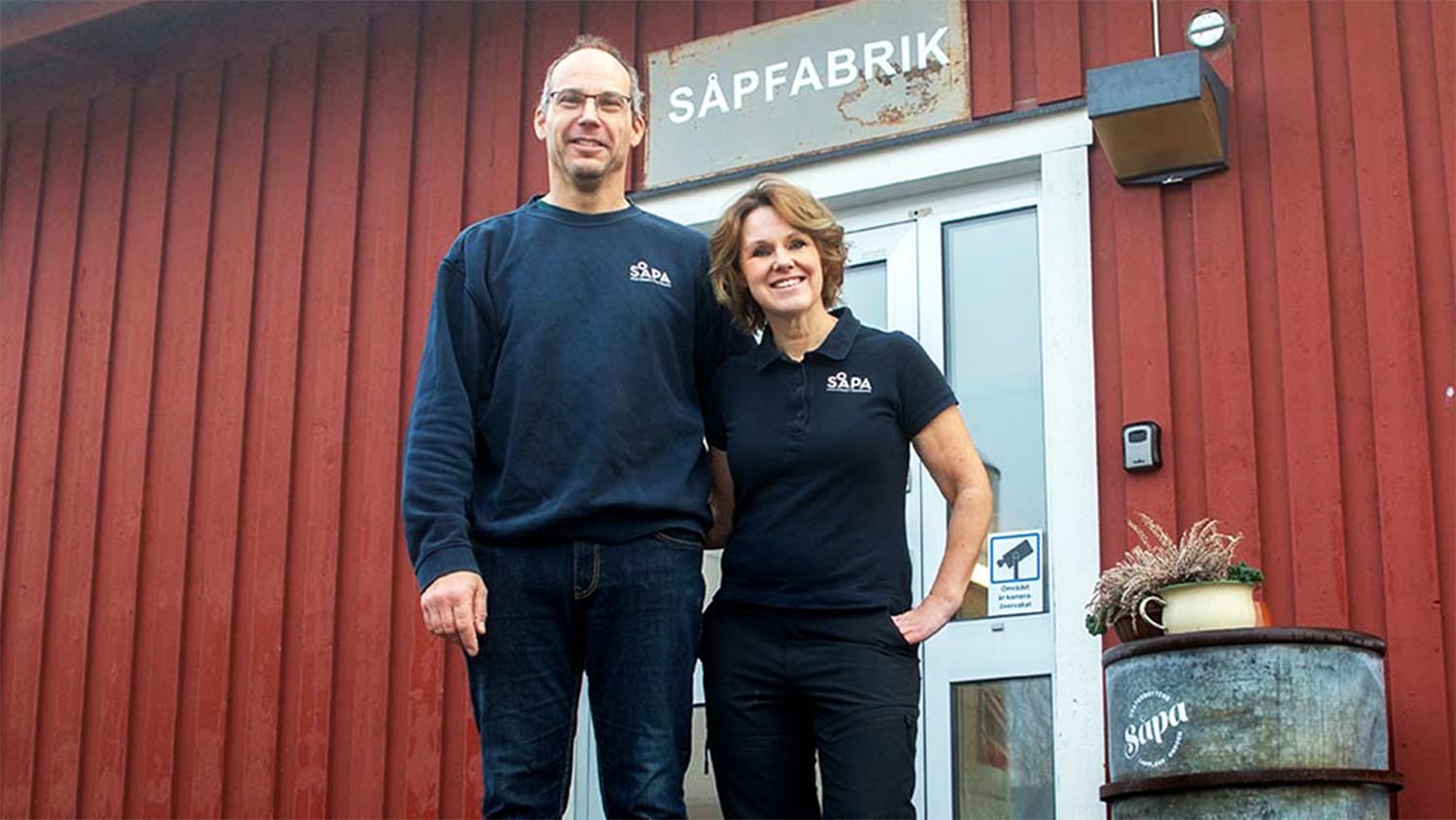
Despite the change of ownership, much will look as usual in Vilhelmina. Sara Idenfors continues in her role as CEO and Magnus Idenfors remains as production manager. Fedja Porobic also stays on as a minority owner and operational mainstay.
In the daily work, much continues as before, but with more resources and more opportunities. We can invest more in product, marketing and expansion without compromising on profitability, says Fedja Porobic and concludes:
The founders are still very operational and close to the business. It's still the same core in the company, just with a stronger platform to grow from.