

Operating profit (EBIT) for the first three months of the year amounted to 35.7 million Swedish krona, an increase from 20.5 million Swedish krona during the same period last year. This corresponds to an operating margin of 9.5 percent. Profit after tax landed at 25.5 million Swedish krona.
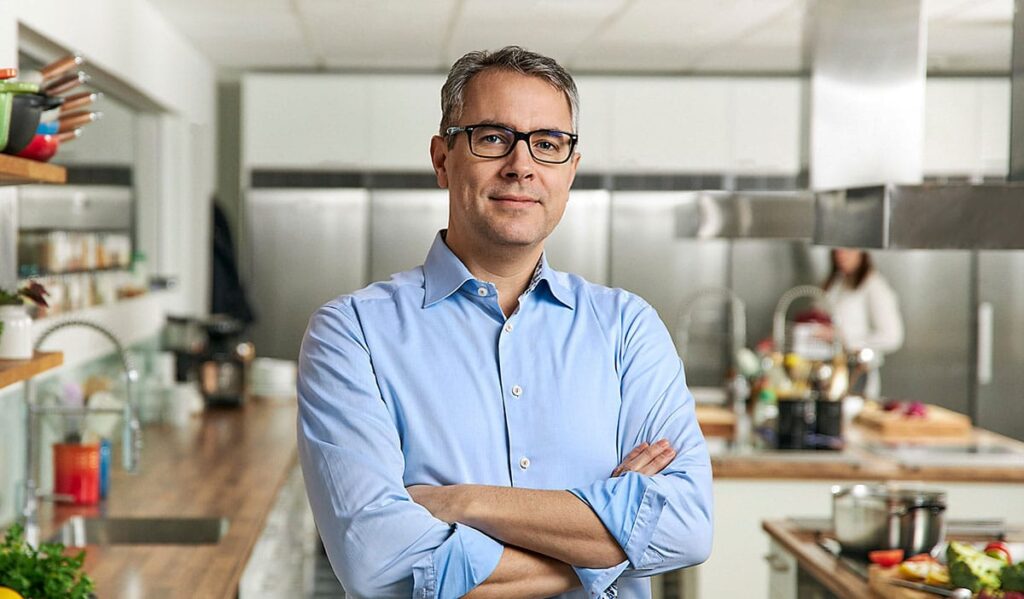
As expected, continued growth means we are leveraging our cost base better, and we ended the quarter with an EBIT growth of 74% to 35.7 MSEK (20.5), which is a new profitability record for a first quarter, comments CEO Walker Kinman in the report.
Merged Brands
One of the driving factors behind the development is the Norwegian market, which grew by 16.7 percent in local currency. In February, the company announced that it was consolidating its Norwegian brands by allowing customers from Adams Matkasse to migrate to the Godtlevert brand. The purpose was to reduce sub-optimization and to streamline the company's brand building and customer acquisition.
The fact that marketing activities are now concentrated under one brand in the country has contributed to the group's sales and marketing costs falling to 11.9 percent of net sales.
We could not have asked for more from our teams who have worked hard to help customers make the switch smoothly and embrace the change, says Walker Kinman and continues:
As a result of this work, a significant proportion of Adams customers chose to switch themselves even before the final migration date. This made the transition very smooth, allowing us to reach our business goals faster than planned and with higher customer loyalty than expected.
Increased Average Order Value And New Markets
The report also shows that the average order value increased to 900 Swedish krona per delivery. The increase is explained by price adjustments, but also by higher sales of add-on products and groceries. This category now accounts for 2.1 percent of the group's net sales.
The company also announces that it is working on a pilot project in Finland which is on schedule for launch on the market in the autumn.
The report also touches on the global situation and how geopolitical conflicts affect the business.
When oil prices rise as a result of a full-scale war in the Middle East, it is clear that everything dependent on petroleum products faces higher costs. For us, this means fuel surcharges, increased costs for plastic in packaging and indirect cost effects on food that in some way depends on conventional fertilizer, states Walker Kinman.
According to the CEO, these challenges are small in relation to the risk of reduced demand from consumers. So far, Cheffelo sees no such slowdown in customers' willingness to buy, and the company currently expects revenues in the first half of the year to increase by approximately 14–18 percent.