

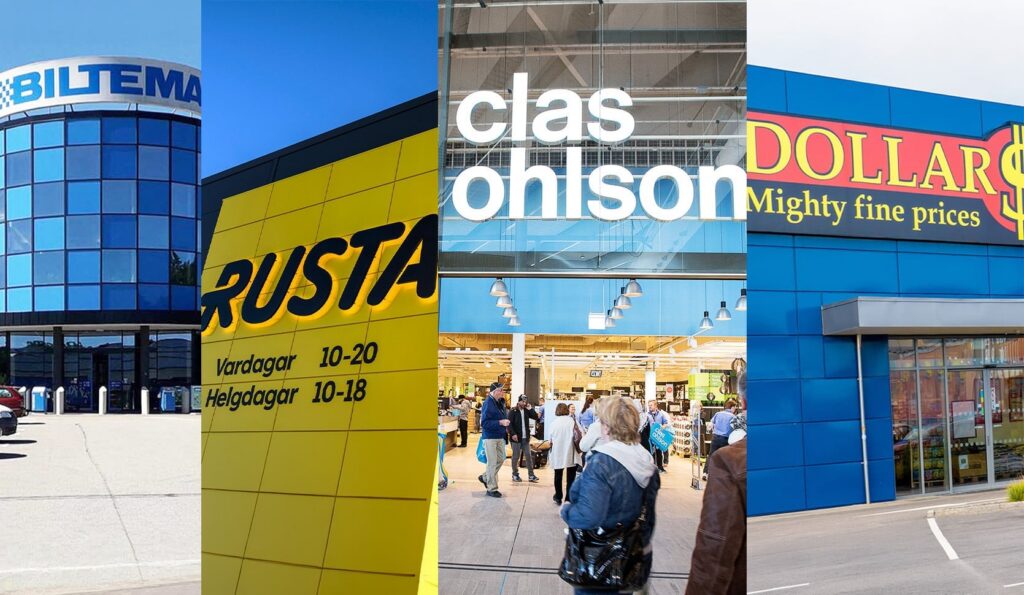
According to a Finnish review by Yle, actors such as Biltema, Clas Ohlson, Rusta and Tokmanni (which operates Dollarstore) have products in their ranges that are visually similar to the low-price goods offered by Asian e-commerce giants on their platforms. By comparing marketing images from the Nordic companies with platforms such as Temu and Shein, Yle concludes that the goods appear to be exactly the same in several cases.
One of the examples highlighted is a headphone cleaning tool at Biltema, which Yle states looks exactly like a product on Temu, but where the price at the Nordic actor is significantly higher.
Similarly, the report points to a back support at Clas Ohlson and a muscle massage gun from other brands, which are said to be identical to those shown on the Chinese platforms but at a fraction of the price.
The legal loophole surrounding "manufacturers"
The report shows that companies do not indicate that the products originally come from China. According to Yle, consumers may sometimes get the impression that it is local production, as companies market the goods with their own brands or state themselves as manufacturers.
However, according to the Finnish Consumer Association, which Yle has spoken to, this is fully in accordance with current legislation.
According to the EU General Product Safety Regulation, a company is considered a manufacturer of a product if they sell it under their own brand (so-called white-labeling). They are therefore not obliged to explicitly state the country of origin in their web marketing.
Safety as a competitive advantage
The major difference for the consumer, and the reason for the higher price tag, lies in product safety, according to Yle. When Nordic chains put their logo on a China-imported product and thus act as legal manufacturers, they also take over full responsibility for ensuring that the goods meet EU safety requirements and chemical legislation.
Juha Beurling-Pomoell, Secretary General of the Finnish Consumer Association, tells Yle that even if the products look the same in the picture, they can differ significantly in quality and safety.
According to the association, it is common for the same factory in China to manufacture one version adapted for European customers (which is tested and certified) and another, often cheaper and potentially unsafe version, for direct sales via platforms such as Temu.
Juha Beurling-Pomoell assesses in Yle's article that up to 80–90 percent of the products sold directly via the Asian platforms may be dangerous or illegal in the European market, for example due to deficient safety or unauthorized chemicals.
Ehandel.se is seeking comments from Biltema, Clas Ohlson, Tokmanni and Rusta.