

During the second quarter of 2026, Desenio's net sales decreased by 7.1 percent to SEK 136.9 million, compared to SEK 147.3 million during the corresponding quarter of the previous year. The adjusted EBITA margin landed at -2.4 percent, a decrease from last year's 2.1 percent.
At the same time, operating profit (EBIT) improved to -3.5 million SEK. This compares to the second quarter of last year when the company reported an operating profit of -253.2 million SEK. Cash flow from operating activities amounted to -3.8 million SEK.
"Orders of Lower Value Declined"
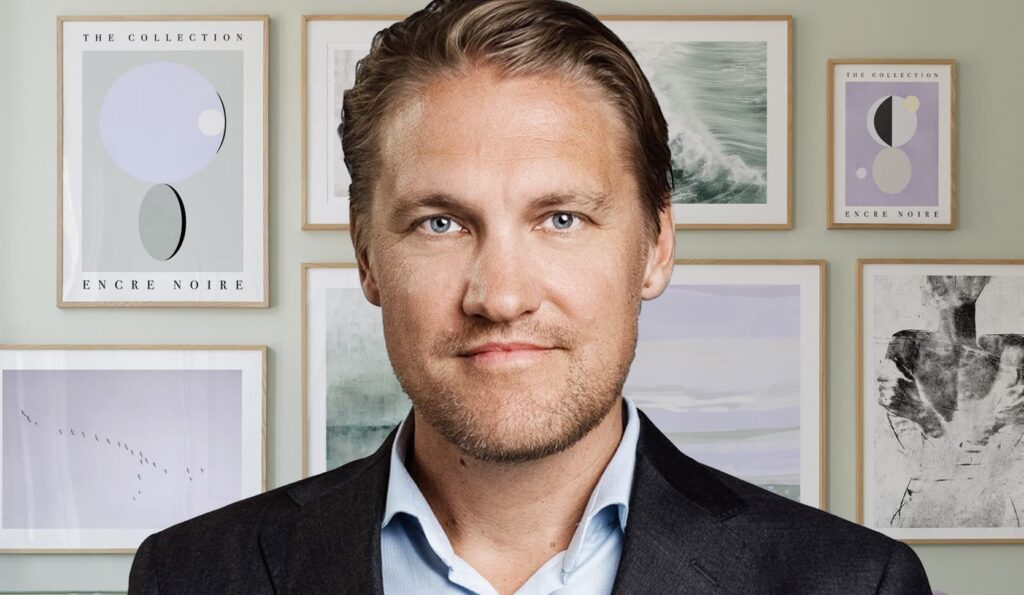
The company's CEO, Erik Flinck, states in the report that Desenio is undergoing ongoing change work that is gradually translating into improved operational resilience.
Financially, the quarter is still far from the levels we are aiming for, but I am pleased to report that we have maintained a positive improvement momentum month by month, writes Erik Flinck in his CEO's statement.
According to the CEO, the core brand Desenio has developed in a positive direction despite macroeconomic headwinds, partly through development within the premium segment.
We have consciously declined orders of lower value and profitability, but this has more than compensated for the fact that customers are actively choosing more expensive alternatives within our product categories. This validates our curated range and our pricing strategy, he continues.
Turnaround in North America and Operational Efficiency
One of the highlights of the report is the North American business, which, after changes made earlier in the year, now shows positive development for the first time in many years and contributes with profitable growth. The Poster Store brand also shows improved gross margins after the company decided in the first quarter of the year to discontinue unprofitable segments.
During the quarter, Desenio has fully integrated its self-developed order management system (OMS) and scaled up its internal print capacity. According to the company, the benefits of the infrastructure are now noticeable in the form of shorter lead times, improved unit economics and increased flexibility in inventory management.
The company reiterates its forecast for the full year 2026, which implies an expected organic net sales growth at fixed exchange rates, with an EBITDA margin in the lower double-digit range.