

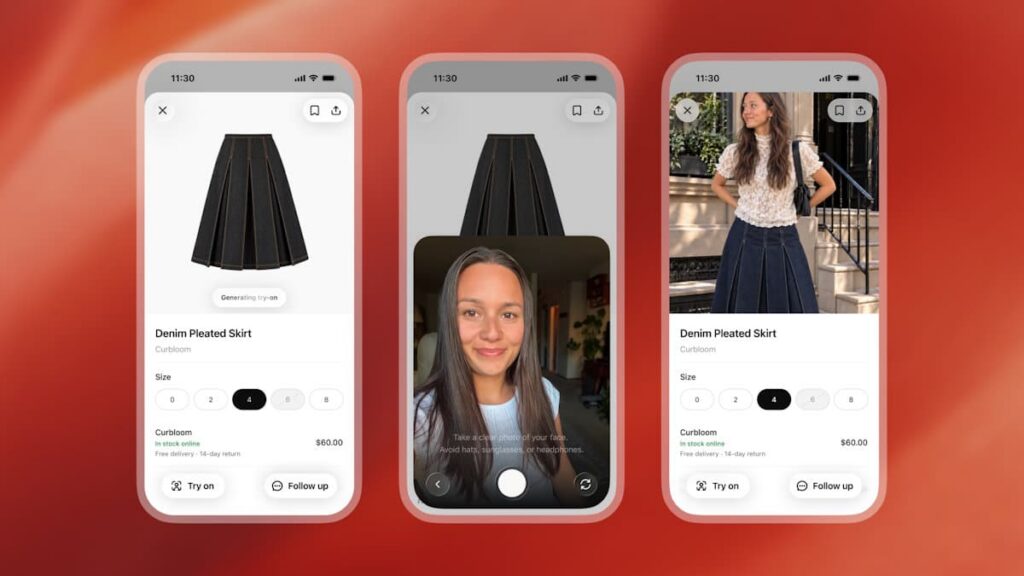
OpenAI launched new e-commerce features for ChatGPT users globally on Thursday. The central new feature is a virtual try-on, where consumers can upload a selfie or full-body image. Through a new Try On button in the search results, the user can then see how specific clothes and accessories fit their own body.
In addition to the virtual try-on, a new favorites function is also being introduced. This saves the items the user has shown interest in, along with the generated try-on images, in a unified library within the application.
Powered by Updated Image Model
According to information from Techcrunch, the function is enabled by the newly launched image model ChatGPT Images 2.5. The new model is said to provide a faster image experience with lower latency compared to previous versions. Customers can also upload screenshots of individual garments, describe a specific style in text, or use images of celebrity outfits to identify purchasable alternatives.
The technology provides more natural lighting, richer textures and significantly better adherence when the garments are applied to the user's image, the company said in connection with the launch.
Shifted Focus in E-commerce Strategy
The launch represents a clear change of direction for the AI company. Earlier this spring, we reported on OpenAI's then e-commerce strategy, which included a direct checkout within the chat itself. That function was subsequently shut down due to lack of results. Instead, the focus is now entirely on visual product discovery, while the actual purchase transaction is carried out on the individual e-merchant's own website.
Aims to Reduce Returns
The concept of virtual fitting rooms is not new in retail. Several major players have developed similar technology to increase conversion rates and reduce the costly returns issue. For example, Google rolled out virtual try-on in Google Shopping as early as 2023.
In addition to search engines, dedicated e-commerce players and fashion giants such as Zalando and H&M have also previously conducted extensive tests with virtual fitting rooms and 3D avatars to guide customers to the right size directly.