

In Sweden, a shift in purchasing behavior is visible, particularly among young people. A survey of 26,000 parents and teenagers across 13 countries reveals that 58 percent of Swedish teenagers believe AI will change the way they shop. Furthermore, 69 percent of Swedish teenagers have used AI to search for product information, 67 percent have used the technology to compare goods, and 66 percent to find the best price or discount. The survey also shows that 27 percent of Swedish teenagers trust a product recommendation from AI more than from their own parents.
Young people are often at the forefront when new digital behaviors take shape, which is also evident in our survey. AI is already helping consumers find and choose products, and in the future, the technology will increasingly also complete the purchases, says Anna Kratz, Sweden Manager at Mastercard, which is behind the report.
For e-commerce businesses, this transition means that digital platforms need to be adapted for machine customers (i.e., AI). According to Mastercard's new report, AI agents will immediately be able to verify product information, terms and conditions, and supplier values. Clear and machine-readable product data will therefore be central to being selected by an AI agent acting on behalf of a consumer.
Slow Sites Will Disappear
The report also emphasizes the importance of website performance and predicts that e-commerce sites that take more than three seconds to load risk losing up to 80 percent of their sales by 2030. Pricing models may also change, as AI agents are expected to have the capacity to negotiate prices and terms in real time and on a large scale.
Everyday and routine purchases, such as groceries, pharmaceuticals, and subscriptions, are predicted to be the first areas to be fully delegated to AI.
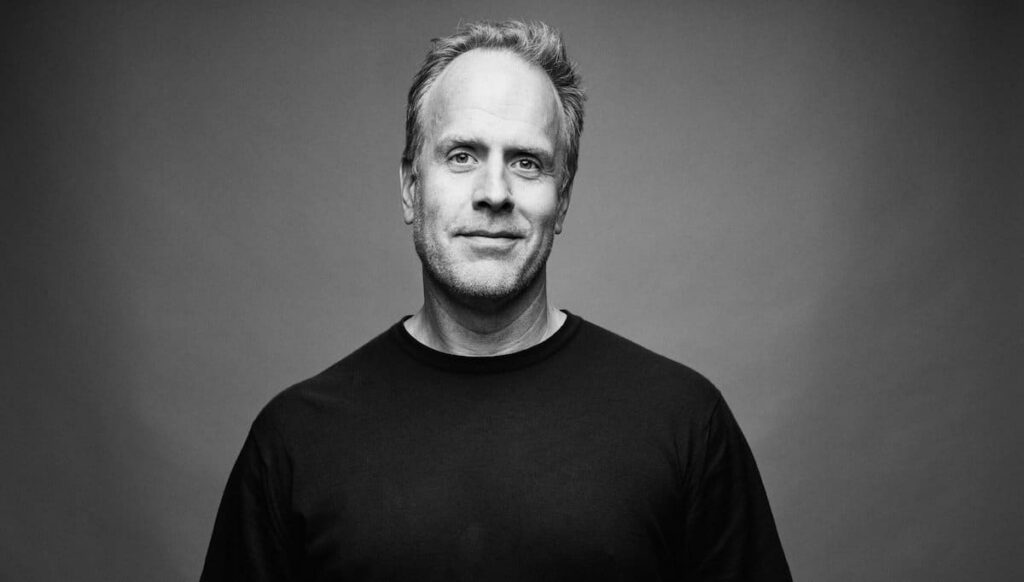
By 2030, buying and shopping will have become two different things. AI agents will handle many of our everyday purchases, while shopping will increasingly be an experience we seek for inspiration, discovery, and enjoyment, says Magnus Lindkvist, futurist and one of the experts behind the report.
As AI is empowered to execute transactions, new demands are simultaneously placed on the payment infrastructure. Banks, fintech companies, and payment providers will need to develop updated models for identity and authorization. Frameworks and concepts such as "Know Your Agent" are expected to become a standard and a competitive advantage for managing regulatory compliance and ensuring that machine-driven transactions occur securely and in accordance with consumer intentions.