

In 2024, Inimini grew by 50 percent, reaching a turnover of 6.3 million Swedish krona. The new annual report for 2025 shows that growth continues, albeit at a slower pace.
Turnover increased by 23 percent, landing at 7.7 million krona. However, what stands out is that costs have risen faster than revenue. Operating profit deteriorated from -593,770 krona to -2.3 million krona.
The law that created extra work
Part of the explanation for the negative result lies in external changes. On January 1, 2025, a new textile law came into force in Sweden, forcing the industry to adapt. The law required private individuals to sort all textiles separately, meaning that even torn clothes, dirty fabric, or underwear could not be thrown in regular household waste.
For Inimini and other secondhand players, the regulatory change led to an overwhelming influx of unsaleable garments. The company received large quantities of damaged and dirty textiles that could not be resold. To manage this, the company needed to hire extra staff in sorting and develop an entirely new logistics flow, and at times they were forced to implement temporary collection stops.
In October of the same year, the authorities backtracked and introduced exceptions allowing damaged and dirty textiles to once again be discarded in residual waste, but the law had already driven up costs per handled garment.
The new legislation therefore resulted in a clear increase in costs and contributed to the decrease in results during the year, despite the increase in turnover, the company writes in its management report.
Investments in AI and expansion to Stockholm
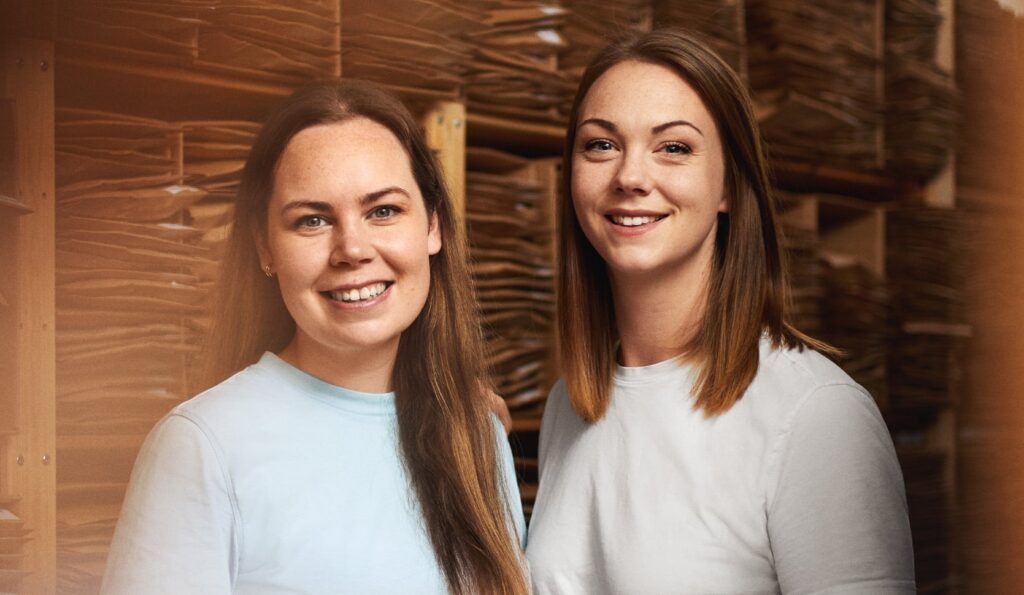
In addition to the legally mandated challenges, the founders, CEO Josefin Runquist and Maja Andersson, have continued to invest resources in technology and automation.
During the year, the company integrated more AI to categorize garments and automate image flows. The purpose is to keep the price tag down for the consumer and manage the margins that characterize the secondhand market.
The company has also invested in a new e-commerce platform and expanded its collection area for clothing to Stockholm and surrounding areas. To finance these investments, three new share issues were carried out in 2025, which collectively added 7.1 million krona to the cash reserves.
After a year with increased costs, management is looking forward and highlights, among other things, that half of the customers are returning.
We are entering 2026 with a stable foundation, an engaged community and a clear direction towards continuing to drive development within circular commerce for children's clothing, the company writes.