

According to the Swedish Trade Federation’s (Svensk Dagligvaruhandel) latest Grocery Index for June 2026, a positive sales development was noted for e-commerce. Total e-commerce sales within groceries increased by 13 percent compared to the same month of the previous year.
Growth was primarily driven by the home delivery segment, which increased by 16.2 percent during the month. Click and collect also showed an increase, landing at 9.3 percent. E-commerce accounted for 4.3 percent of total grocery sales in June.
Development During the Second Quarter
Looking at the second quarter of 2026 as a whole, e-commerce sales increased by 9.9 percent. Home deliveries also showed the largest increase over this period (11.9 percent), followed by click and collect (7.5 percent). The e-commerce share for the second quarter amounted to a total of 4.6 percent.
For the grocery trade as a whole, including physical retail, the total sales increase was 4.7 percent in June.
Falling Food Prices
While online sales are increasing, statistics show falling prices for consumers. According to Statistics Sweden’s (SCB) preliminary statistics, inflation for food and non-alcoholic beverages was -6.8 percent in June, a figure partly explained by the halved food VAT. Between May and June, prices fell by 0.6 percent.
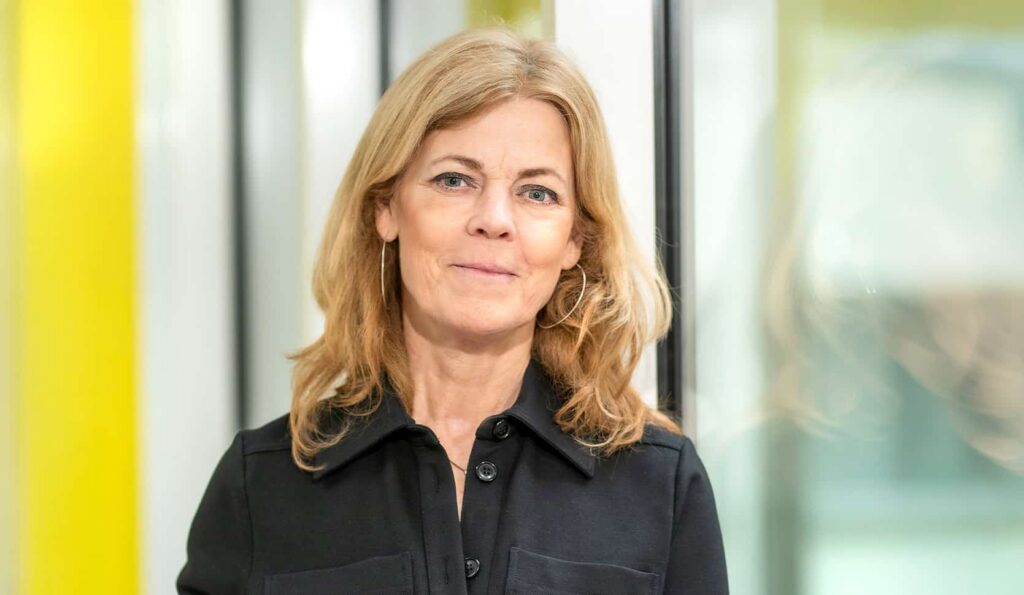
Karin Brynell, CEO of Svensk Dagligvaruhandel, comments on the development and the effects of lower prices:
June is an important month for the grocery trade, with Midsummer being one of the year's biggest sales events. Sales developed steadily during the month while SCB's preliminary statistics show that food prices are now almost seven percent lower than a year ago. This means that the price decrease has been greater than the effect of the reduced food VAT, which is positive for households.
She further points out that the industry still needs to consider external risk factors:
At the same time, several external factors remain, not least geopolitical uncertainty and developments in the Middle East, which may affect costs and price developments going forward.