

During the 2025 fiscal year, Swappie managed to turn its previous loss into a profit, at the EBITDA level. Specifically, operating profit amounted to 2.5 million euros for the full year. At the same time, revenue totaled 234 million euros.
The annual report also shows that nearly 650,000 units were sold during the twelve-month period, a volume indicating that the average order value increased on the platform.
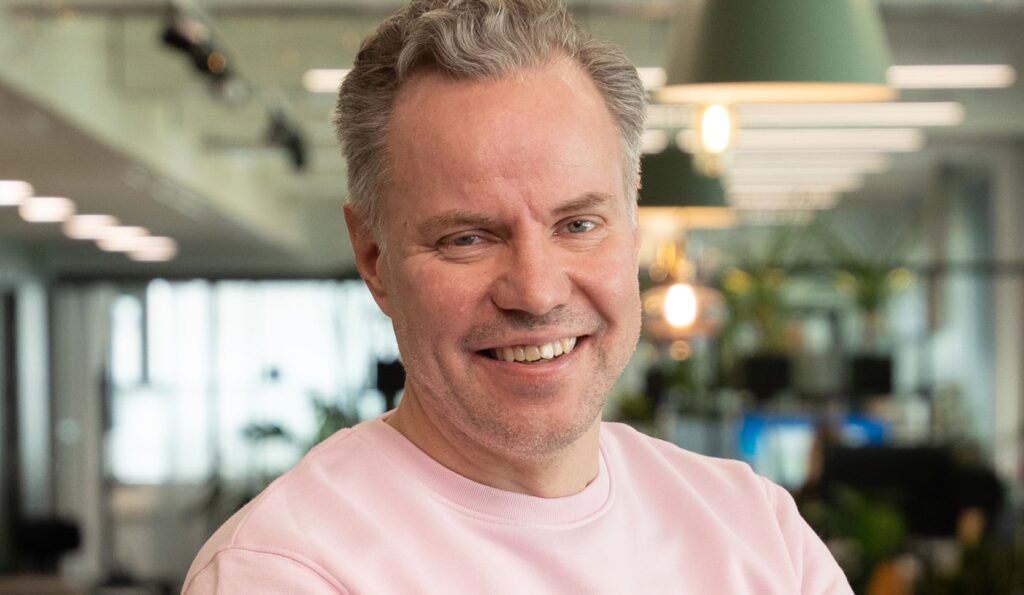
Reaching EBITDA profitability for an entire year proves that circular business models can be scaled profitably. Consumers choose refurbished products when they are affordable, trustworthy, and of high quality, and we continue to expand into new categories to meet that demand, says CEO Jussi Lystimäki to Ehandel.se.
The positive operating profit is a confirmation that the e-commerce company's ongoing operations cover its own costs. However, even though operations now show black figures, it will take some time before the company shows a profit on the bottom line. To reach all the way to a positive net result, the focus is now on balancing the growing revenue with clear cost control, so that the company becomes fully profitable in the next phase.
2025 was truly a breakthrough year for Swappie, says Jussi Lystimäki and continues:
We see this milestone as the beginning of a new phase, rather than the finish line. Our focus is now on disciplined and structured growth, built on strong operational development, sound profitability per unit, and long-term value creation for both consumers and the environment. Achieving a positive net result is included in our plans for the near future.
Swedish Market Stands Out
A closer look at the sales statistics shows that Sweden plays a central role for Swappie. During the most intense months of the year, a growth of nearly 30 percent was noted on the Swedish market.
In parallel with the general increase, a change in purchasing behavior is also visible, where Swedish consumers are choosing to shop for higher amounts.
It is important to emphasize that the growth of nearly 30 percent refers to the strongest sales period of the year, not the full year. Sweden is one of our most mature markets and one of the markets where we have been present for the longest time. This has given us many years to contribute to the transition towards refurbished technology, says Jussi Lystimäki.
Sweden also has a very high iPhone penetration, especially among younger consumers, who are generally more open to buying refurbished devices. Our own survey also shows that two out of three Swedish consumers would consider buying a refurbished iPhone, which provides a very strong basis for continued growth.
To drive the business forward, the focus is now on shortening the time it takes for consumers to trade in their used devices. Currently, the majority of trade-ins consist of older models such as iPhone 12 and 13. The goal is therefore to encourage customers to sell their phones at an earlier stage, in order to ensure that newer technology is put back into circulation more quickly.
Sweden is one of our strongest and strategically important markets, so of course we want to continue to grow here. We see potential as refurbished technology becomes an increasingly obvious choice for consumers, especially now that we have expanded our range beyond iPhones, he says.
Our ambition is to grow sustainably in all markets while continuing to strengthen our position in Sweden.
New Categories Expand the Range
During the past year, Swappie broadened its assortment by launching iPads. Sales quickly gained momentum, and Sweden established itself directly as the company's leading market for tablets in terms of global volume.
The range has since grown further, with AirPods being introduced in the spring of 2026 and sales of MacBooks starting in Sweden in mid-June.
For us, it's less about what percentage these product categories will make up and more about building a complete ecosystem of high-quality refurbished technology. More and more customers want to be able to buy multiple premium products from a single reliable player. By expanding our range, we can meet that demand.
Priorities Moving Forward
Now that the company has proven that the business model works financially and reports black figures in operations, management's attention shifts to the next step on the journey.
The current economic situation provides room to set a clear strategy for the coming fiscal year. For 2026, much of the work will focus on balancing continued expansion in the market with building internal structures.
Our highest priority for 2026 is to continue accelerating growth while strengthening profitability and consumer confidence, says Jussi Lystimäki.
We know that many consumers are still hesitant to buy refurbished devices due to concerns about battery health or hidden defects. Addressing those concerns remains a central priority.
To lower the barriers for customers who feel some hesitation, the e-commerce company has built a system of guarantees and internal routines. In practice, this means a systematic work where phones and computers are inspected at the company's own facilities before being made available for sale again. By trying to replicate the purchasing experience that customers are used to when buying brand new goods, the idea is to change the market's attitude towards used products.
The work that now lies ahead for the company builds on the original idea that was formulated at the start in Finland ten years ago.
At its core, our mission is the same as always, to make refurbished technology an obvious choice by combining high quality, an attractive price, and sustainability, concludes Jussi Lystimäki.