

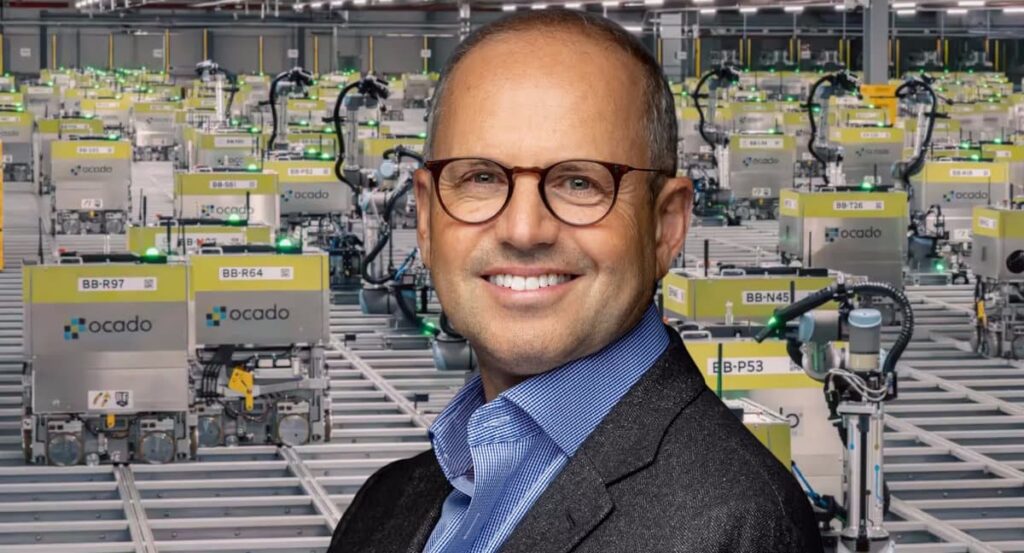
Asda, the UK's third-largest grocery chain, will be using Ocado's technology for home deliveries, click and collect services, and orders via third-party apps such as Uber Eats, Deliveroo and Just Eat. This is reported by The Guardian. The system will be rolled out in the company's physical stores as well as in so-called "dark stores".
In Nordic e-commerce circles, Ocado is probably best known for its highly automated robot warehouses and the protracted patent dispute they had with the well-known Swedish company Autostore. That conflict concerned the technology surrounding the warehouse robots themselves, but the new agreement with Asda does not involve any robot warehouses and focuses exclusively on Ocado's software.
For Asda, the technology investment is seen as a move to reverse a negative sales trend. Since the private equity firm TDR Capital and Mohsin Issa acquired the chain in 2021, Asda's market share in the UK has fallen from 14.3 percent to 11.5 percent. Competitor Aldi is now close behind at 10.8 percent.
Partnering with Ocado will strengthen our online offer and provide a consistent and high-quality experience for millions of shoppers, from order to delivery, while also supporting our growth model, says Allan Leighton, Chairman of Asda.
For Ocado, the agreement represents a financial bright spot after a prolonged downturn on the stock market. During the pandemic, the company was valued at over £22 billion, but the share price has since fallen from over £27 to just over £2 ahead of Friday's announcement. However, after the Asda agreement was made public, the share price rose again.
Ocado has historically struggled to achieve profitability. Recently, the company has also dealt with setbacks internationally, with US Kroger announcing in November that it was closing three facilities using Ocado's equipment and Canadian Sobeys closing its Calgary facility earlier this year.
Tim Steiner, CEO of Ocado, comments on the new agreement with Asda:
We are delighted that Asda has chosen Ocado to support the next phase of its online growth. The UK remains one of the world’s most competitive and rapidly evolving online grocery markets, where technology, scale and continuous innovation are becoming increasingly important for retailers looking to maintain leading positions.