

After reporting turnover of approximately 1.3 billion SEK and an operating result of 166.4 million SEK, further details regarding the company's internal operations have emerged in the recent annual report.
During the summer, management decided to bring the vast majority of its returns handling back in-house. Previously, this process was managed by an external actor abroad, but now over 95 percent of the flow has been moved to the company's own warehouse in Borås.
The company explains that this provides them with greater control and shorter lead times. It also creates an opportunity for faster feedback to develop and adapt clothing moving forward.
This development is part of the company's broader plan to streamline operations and reduce waste.
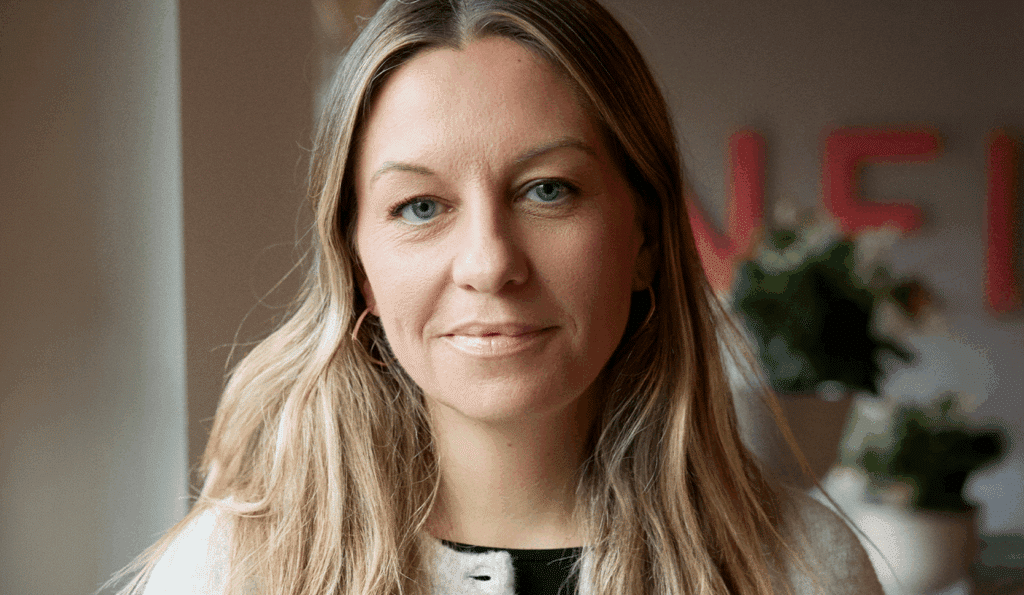
In addition to continued improvements in the assortment and brand positioning, several positive operational steps were taken during 2025, says CEO Helena Karlinder-Östlundh.
READ ALSO: Why Nelly is splitting the business - "very important"
Global Situation Forced More Air Freight
The company sources its clothing and accessories from manufacturers worldwide. This makes transportation vulnerable when disruptions occur in global logistics chains.
During the year, shipping traffic was forced to take a longer route around Africa due to unrest in the Red Sea, which extended lead times for incoming goods. As a consequence of this, and to handle urgent replenishments when products sold more than expected, the company chose to use air freight on 15 occasions during the year.
This has led to an increase in the share of emissions from incoming air transports to 21 percent, compared to 14 percent the previous year.
READ ALSO: Nelly on taking back power: "There is no magic solution"
According to the report, every decision regarding air transport is preceded by discussions on scope and potential alternative routes.
Customer demand can never be predicted exactly and transport routes are expected to remain affected by geopolitical events, meaning that air transports will continue to need to be used when necessary, the report states.
Missed Goal But Stricter Auditing
One of the company's set goals was for the share of prioritized materials, which includes recycled fibers and certified cotton, to reach 50 percent during the year. However, the result landed at 47 percent.
Looking solely at their own brands, the share was 59 percent, while externally produced goods stood at 19 percent.
To tackle quality issues, the e-commerce company has instead chosen to increase the number of audits in factories. During the year, 162 on-site quality controls were carried out in production, 34 of which concerned chemicals. This covers 13 percent of the total assortment. The action is a conscious choice in the effort to reduce the number of complaints and incorrect purchases. During the year, the complaint rate was 0.8 percent, which is below the company's own limit of 1 percent.
Expanding Abroad
READ ALSO: E-commerce company complements with physical store: "One of our most popular"
In addition to the previously announced store initiative at home in Gothenburg, the company continues to test the physical market abroad. In October, doors opened to a new flagship store on Strøget in Copenhagen.
The establishment in Denmark is seen as a way to increase brand awareness throughout the country, as well as toward northern Germany.
The company is also focusing on exploring new logistics solutions and is currently participating in a pilot project with recyclable e-commerce bags to stay ahead of future EU requirements.