

Swedes are planning to spend money during Easter week, but when it comes to purchasing food and accessories, the majority choose to visit physical stores. Only a small proportion rely entirely on e-commerce, although certain age groups show a different pattern.
ALSO READ: Record Easter Awaits – Candy is Being Replaced
A survey from Svensk Handel shows that three out of four consumers plan to buy their food at a larger grocery store. After that, approximately one in six people choose a local convenience store. The proportion ordering Easter food online is seven percent, which is the same level as last year. Only three percent of consumers do their shopping exclusively online for this holiday.
Although e-commerce plays a smaller role overall during Easter, there are differences between different ages. Online purchases are more common among younger consumers.
In the 25 to 34 age group, 20 percent state that they shop online. Among older consumers, purchases are almost exclusively made in physical environments.
This is How This Year's Easter Campaigns are Designed
As retailers prepare for customer purchases, strategies differ between various parts of the retail sector.
Within the grocery trade, 84 percent choose to stock special goods related to Easter to drive sales. Furthermore, 65 percent plan to decorate their stores or websites, while 63 percent are building campaigns around their regular assortment.
Within the durable goods retail sector, where a large part of e-commerce operates, priorities look different.
There, it is most common to decorate the physical and digital sales areas, which 41 percent of retailers do. After that, 38 percent state that they are running campaigns on the regular assortment, and 24 percent choose to purchase specific Easter goods.
The Billion-Krona Mark is Surpassed in the Candy Aisle
It is not just food that fills shopping baskets ahead of the holiday. This year's forecast for candy sales will land on just over 1.1 billion kronor during Easter week. This is the highest level that Svensk Handel has measured to date.
Converted to volume, this amounts to approximately 9,000 tons of candy, assuming a price per kilogram of 125 kronor.
A total of 72 percent state that they are celebrating the holiday this year, and among these, 92 percent plan to buy candy. This means that just over 5.2 million consumers are expected to shop for sweets in the coming days. This shows that Easter is one of the most important sales periods of the year for confectionery.
Candy Business Reaches This Year's Peak Levels
For actors specializing in confectionery, the spring holiday is central to the companies' overall economy. Pick-and-mix candy attracts traffic to the stores and volumes are increased as customers prepare their purchases for the holiday.
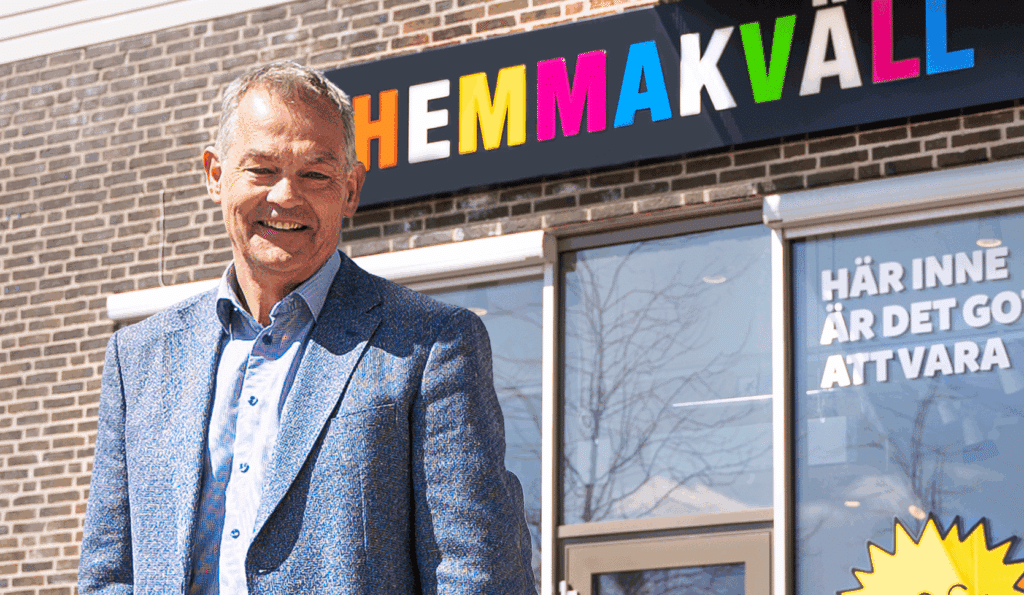
Easter is one of our absolutely most important sales periods and accounts for a significant part of our annual turnover, says Jan Richter, CEO of Hemmakväll, to SH in the Easter Report 2026.
The fact that this particular week has a major impact is because consumers visit the stores more often and fill their baskets with more products each time.
During Easter week, we often see a sales increase of more than 50 percent compared to a normal week, says Jan Richter.
Quality Attracts the Consumer
At the Hemmakväll store chain, the pressure is felt in the stores as the holiday approaches. The company's CEO sees how customers' habits are expressed among the shelves. Chocolate, foam candy and colorful seasonal products are the goods that most often end up in the bags, but the chain also notes other choices among customers.
A clear trend is also that premium products are growing - customers are willing to pay a little more for the right taste and quality.
According to Jan Richter, the tradition of treating oneself to candy at Easter is firm, even though consumers generally plan their purchases more now and make conscious choices about what they buy.
New Habits in Border Trade
Even for actors near the border with Norway, the coming days are a central sales period.
At the candy chain Gottebiten, signs are visible that customers are preparing their purchases in good time. Vice President Christian Blomqvist states that customers today are planning their choices to a greater extent instead of shopping spontaneously when they are in the store.
We see a clear increased interest earlier than usual, both in the form of more visits and that customers plan their purchases more carefully. Many shop larger volumes per occasion.
There are also differences between nationalities in the stores. Norwegian consumers often buy larger quantities of loose candy and classics for the whole family. Swedish customers, on the other hand, often choose to supplement their regular purchases with specific seasonal products and novelties.
The exchange rate with the weaker Norwegian krone has meant that customers compare prices more, but the interest in crossing the border to shop for candy remains.
The Overall Picture Drives Purchases Across the Border
At the same time as trade within the country is affected by the halving of the food VAT on April 1st, a different situation prevails in border trade. At actors such as Gottebiten, the company does not expect any immediate difference in the sales pattern due to the VAT.
In the short term, we do not believe that the VAT reduction in itself will significantly change border trade. For Norwegian consumers, the overall picture is decisive – where the exchange rate, price levels in Norway and not least the experience in the store play a major role in the choice of place of trade, concludes Christian Blomqvist.