
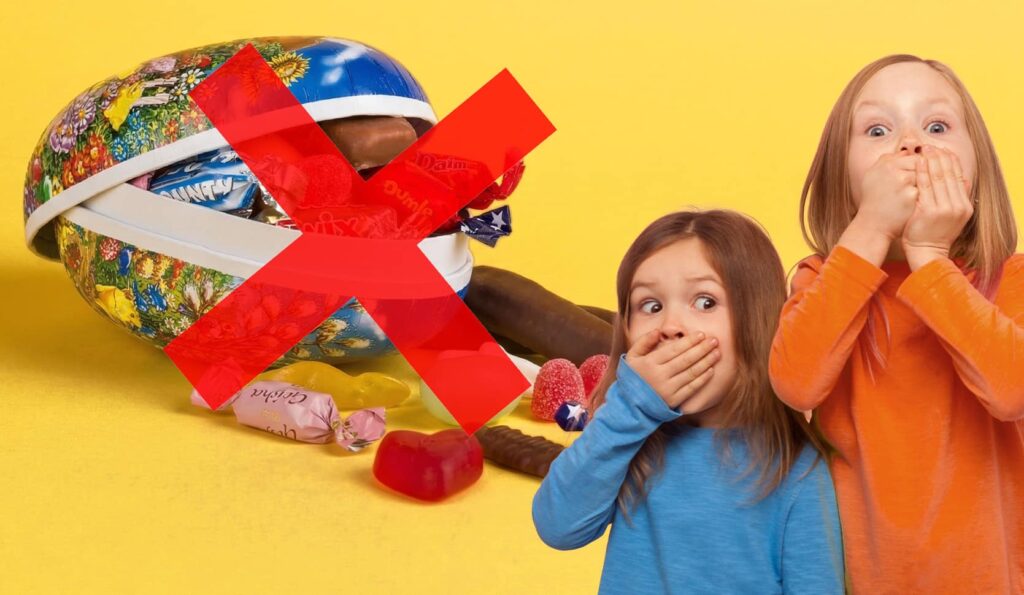
Consumer habits are changing, and Easter, one of the biggest periods for retail, is no exception. While candy purchases are reaching record levels, with forecasts exceeding SEK 1.1 billion, other gifts are taking their place in the eggs. This includes toys, gift cards, and various types of products that show consideration.
We see that Easter is both a strong tradition and is changing. The Easter egg today does not only contain candy. More and more people are also choosing to put other products in it to show consideration for someone they care about, says Maria Mikkonen, Chief Economist at Svensk Handel.
This shift in what an Easter egg "should" contain is particularly interesting for online players outside the grocery trade. E-commerce companies in product categories such as toys, games, and home furnishings are now seeing increased demand. New patterns are joining the traditional purchases.
But the Pressure Remains
Seven out of ten Swedes are planning to celebrate the holiday. Even though the contents of the eggs vary, the total sales within the grocery trade are expected to amount to SEK 9.5 billion during this year's Easter week. The festivities remain important for the retail sector as a whole.
Easter is, after Christmas, the most important holiday for the grocery trade. This year, Easter falls close to payday at the same time as the VAT on food is reduced, which leads us to believe in high pressure in stores around the country, says Maria Mikkonen.
More Job Opportunities Are Created
To manage the increased demand during Easter week, retailers are planning to hire temporary staff. Especially within the grocery trade, where nearly three out of ten plan to strengthen staffing levels. Overall, Easter is estimated to contribute to around 1,800 temporary jobs in this sector alone.
The coming days are not only important for sales, but also for employment in the retail sector. As demand increases, many stores need to reinforce staffing, which creates more job opportunities. The retail sector's contribution as a job engine should not be underestimated, concludes Maria Mikkonen.
The growing Easter sales, driven by both tradition and new purchasing patterns, have repercussions throughout the entire supply chain. Physical and online stores are now working intensively with their campaigns to meet customers' needs for both food and gifts.